
Intel, positioning and my timeline – My best work thus far
20. January 2026
When a Pair of Sunglasses Becomes a Case Study…
2. February 2026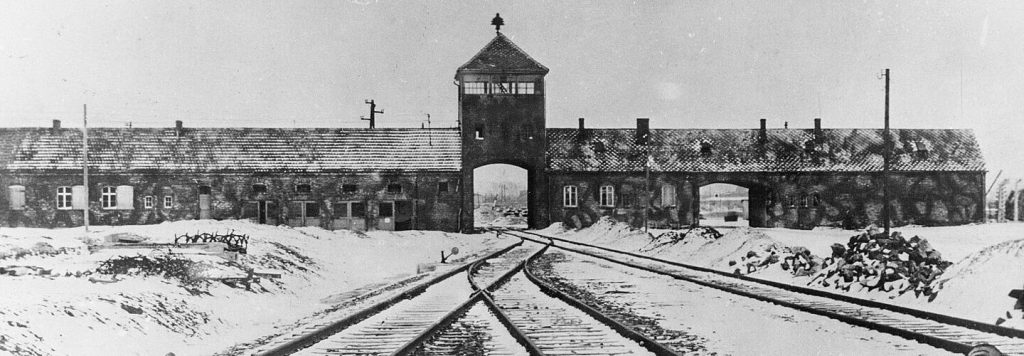
Chancellor’s Update
Dear Friends of New European College,
There are days where writing an update as Chancellor feels routine. Today is not one of them.
Holocaust Remembrance Day forces us to stop. It forces us to look at something so dark, so unsettling, that our instinct is often to turn away. And yet, turning away is exactly what history has taught us we must not do.
I was eight years old when my class teacher first introduced us to the Holocaust, the Shoah.
What I learned that day left me in complete shock.
I was sad, speechless — and then angry.
That sadness and anger grew so quickly that, before the school day was even over, I was convinced I would go home and tell my parents that I wanted to revoke my German citizenship.
When my father came home from work, I sat him down. I asked questions. I cried. I shouted. I asked more questions.
He answered patiently, explaining what had happened, adding details that only deepened the horror. I was completely overwhelmed.
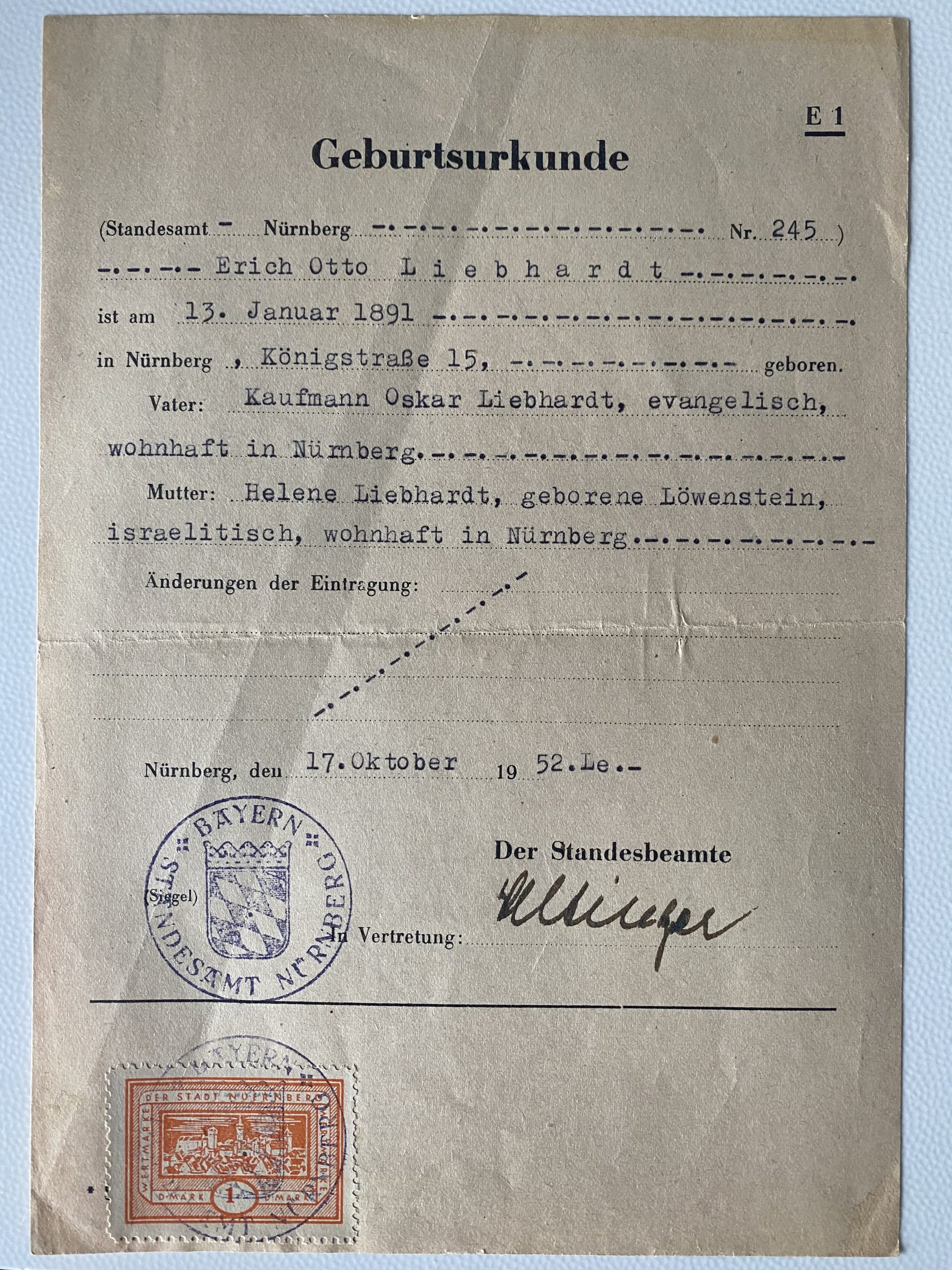
And then, once I finally caught my breath, my father looked at me and said something that changed everything: that this history had affected our own family too. His father — my grandfather — was Jewish.
In that moment, the Holocaust stopped being distant history. It became personal. It became part of who I am.
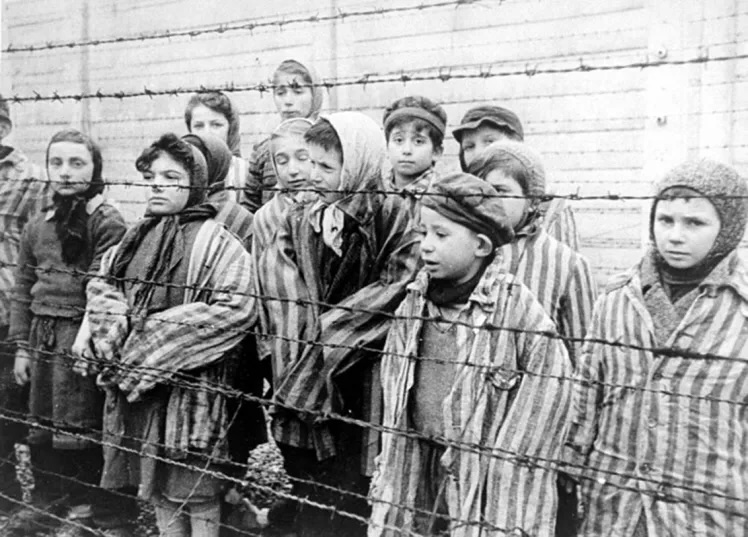
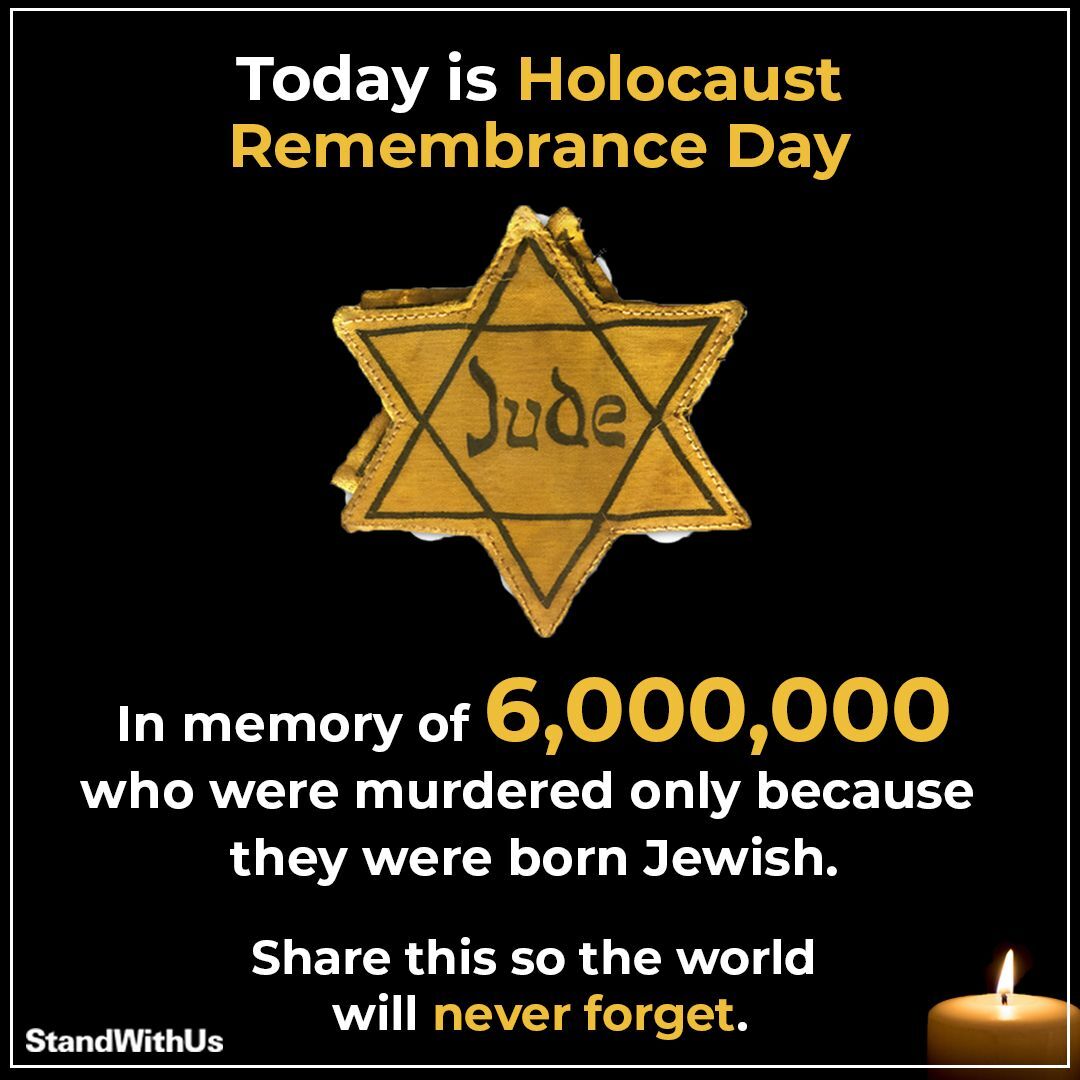
The Holocaust — the Shoah — was the systematic, industrialised murder of six million Jewish men, women, and children by Nazi Germany and its collaborators.
Millions of others were also persecuted and murdered: Roma and Sinti, people with disabilities, political opponents, homosexuals, and those who simply did not fit into an inhuman ideology.
This did not happen overnight. It happened step by step. With words. With exclusion. With laws. With silence.
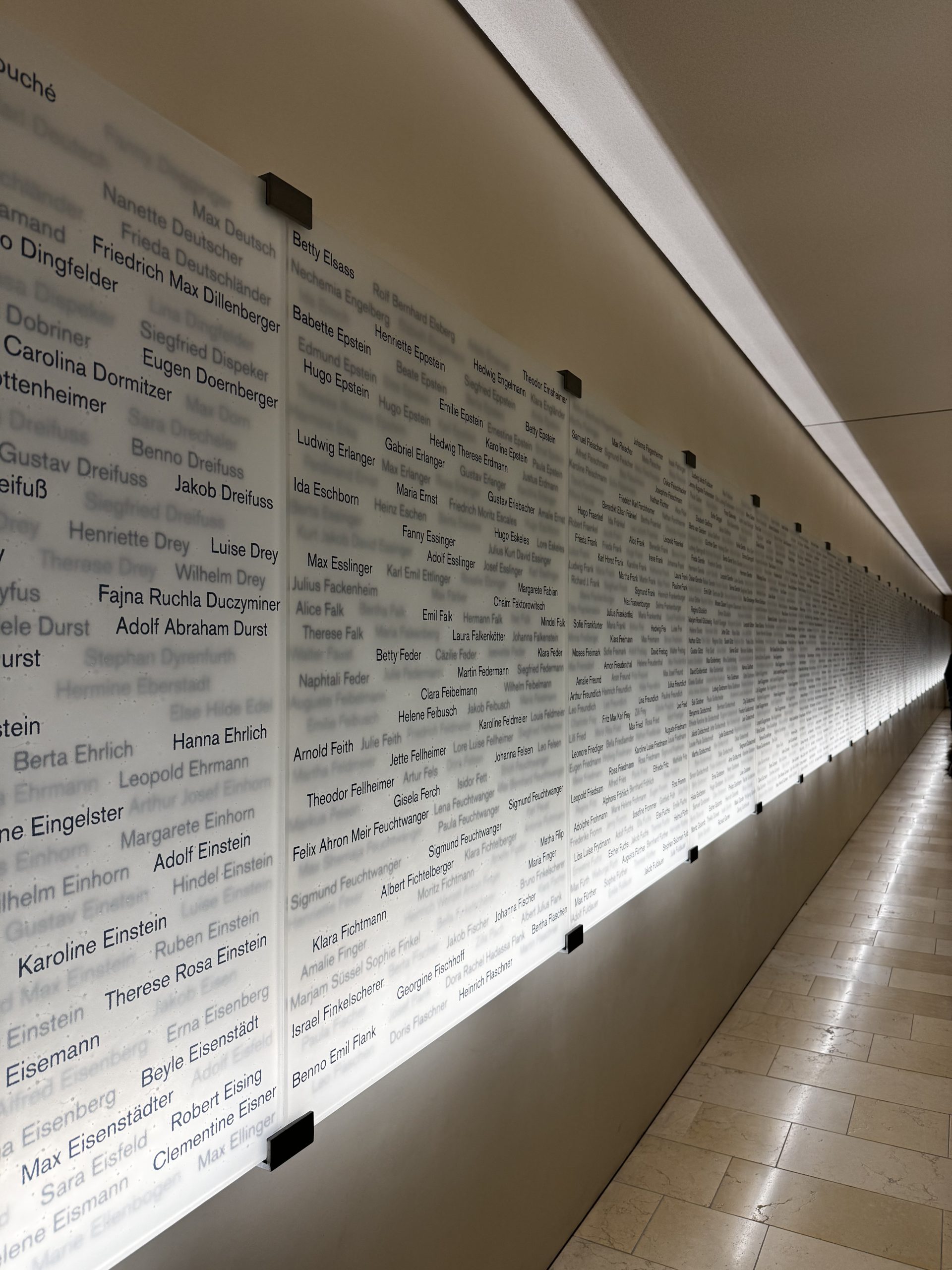
Holocaust Remembrance Day is therefore not only about remembering the dead, or mourning those who lost their families, their homes, their dignity, and their lives.
It is also about remembering the scale of what happened — a crime of such magnitude that it must never fade into abstraction, relativisation, or historical distance.
“Never Forget” is not a slogan. It is a responsibility. It is the commitment to ensure that this never happens again.
Trying to understand how something like this could happen shaped my path.
I dedicated much of my education to it — from choosing history as an A-level subject to later completing a Master’s degree in International Relations.
Not out of academic curiosity alone, but out of a need to understand how societies can descend into such moral collapse — and how they might prevent it.
The Holocaust teaches us something deeply uncomfortable about ourselves: civilisation is fragile.
Education, culture, and progress are not permanent safeguards.
The Holocaust did not begin with gas chambers.
It began when people were reduced to categories, when neighbours looked away, and when obedience became easier than courage.
As an academic institution, our responsibility goes beyond knowledge transfer. Education must build judgment, empathy, and moral resilience.
Facts alone do not prevent hatred. Understanding does. Questioning does. Speaking up does.
Today, as antisemitism is once again openly visible in many societies, Holocaust Remembrance Day becomes painfully current.
Remembering is not an act of the past — it is an obligation of the present.
To forget, or to minimise, would be to accept the risk of repetition.
We remember the victims.
We honour the survivors.
And we remind ourselves that responsibility does not end with remembrance — it begins there.
Sascha Liebhardt