
The Show Must Go On
12. May 2026
Still a work in progress
2. June 2026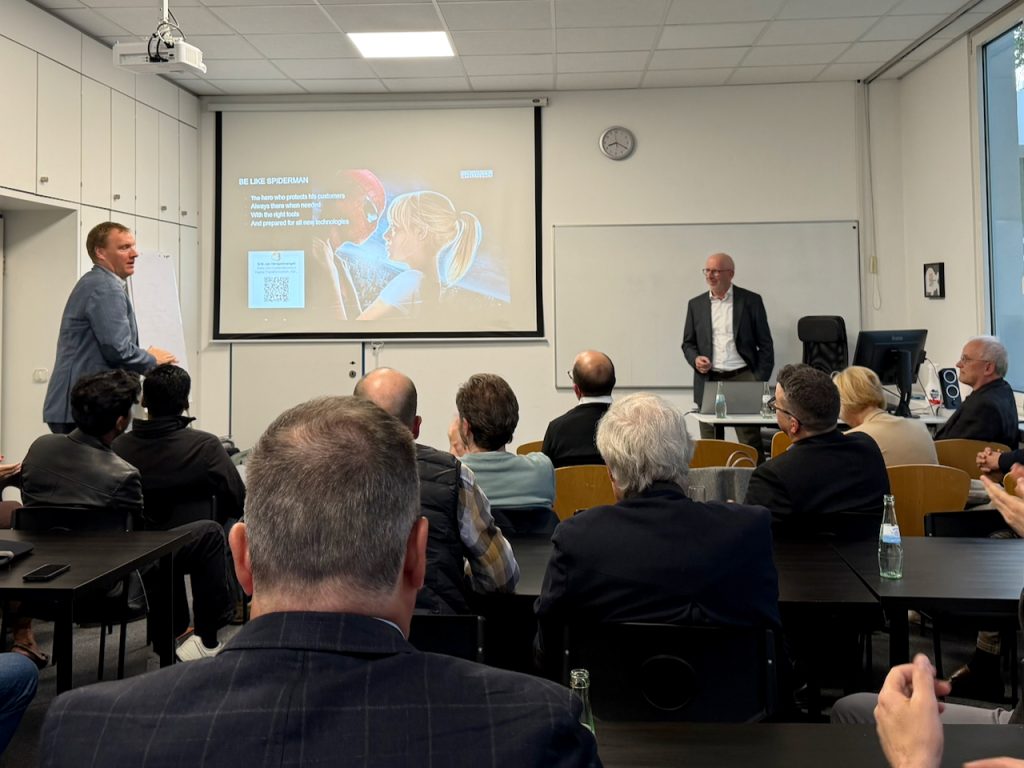
Dhanvin Vinod
Master Student, New European College – Munich
Reflections from the BCDN Event at New European College
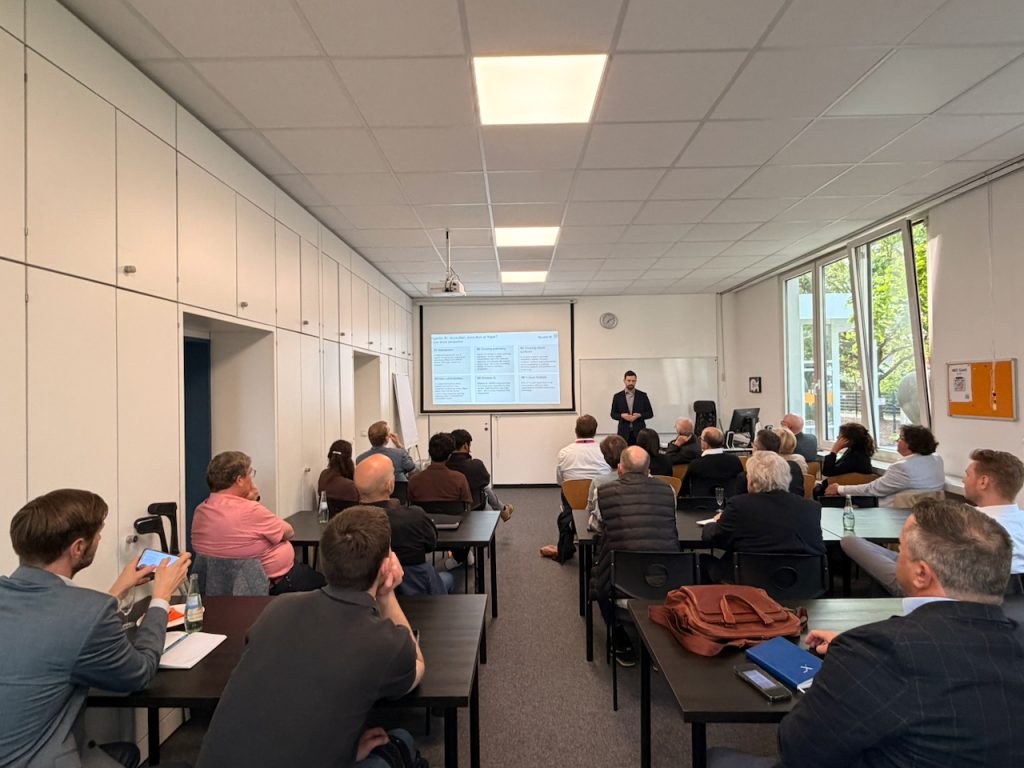
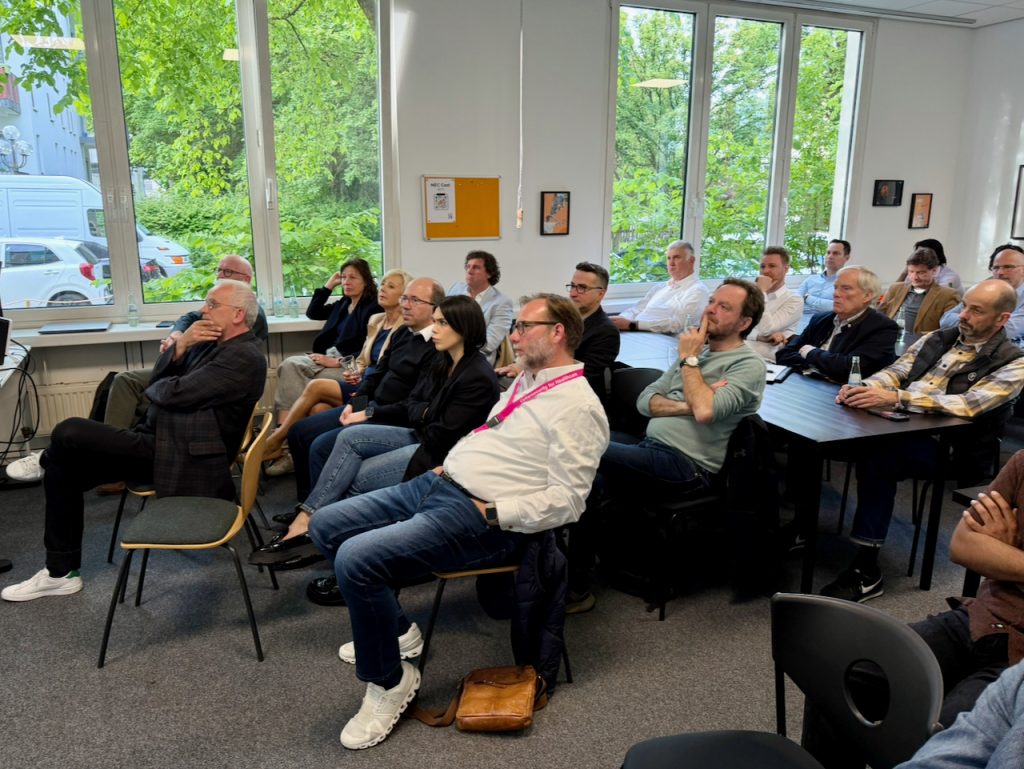
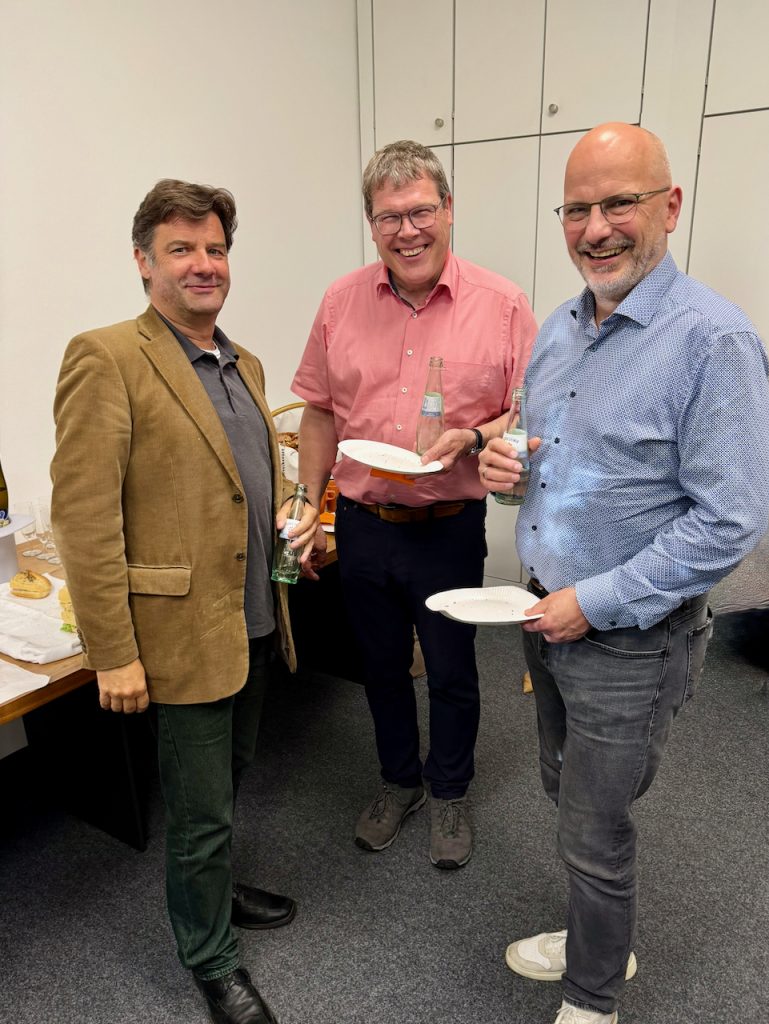
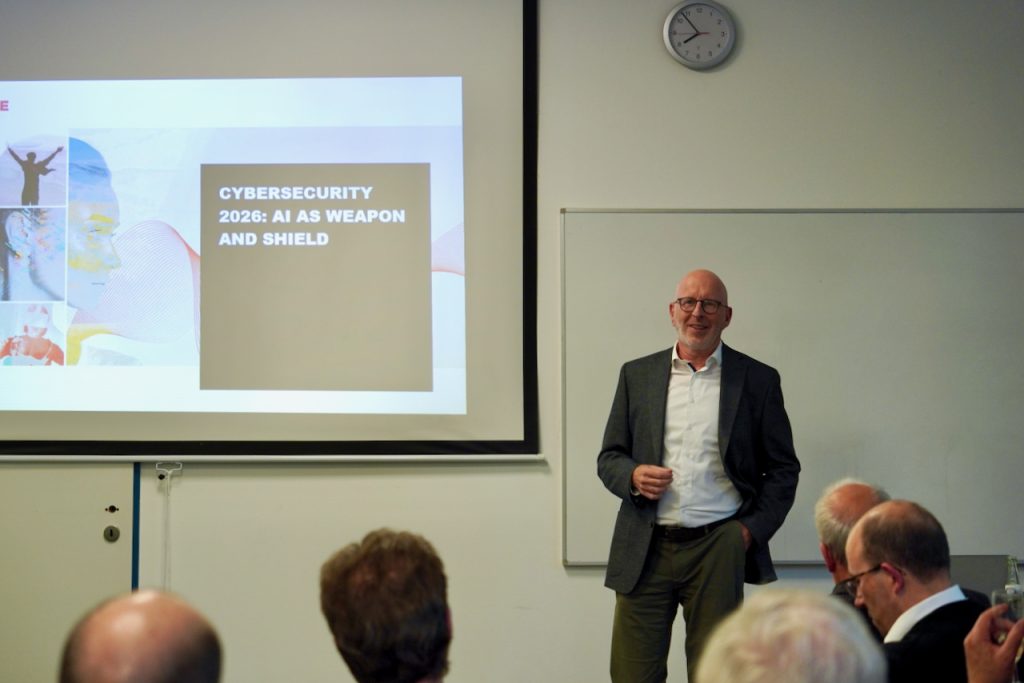
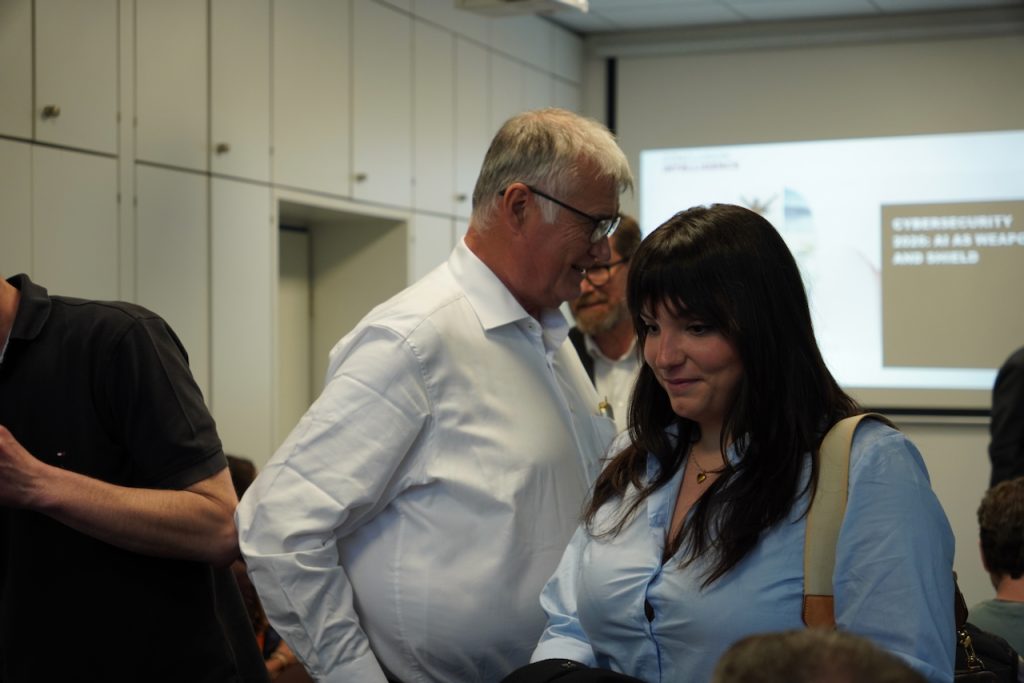
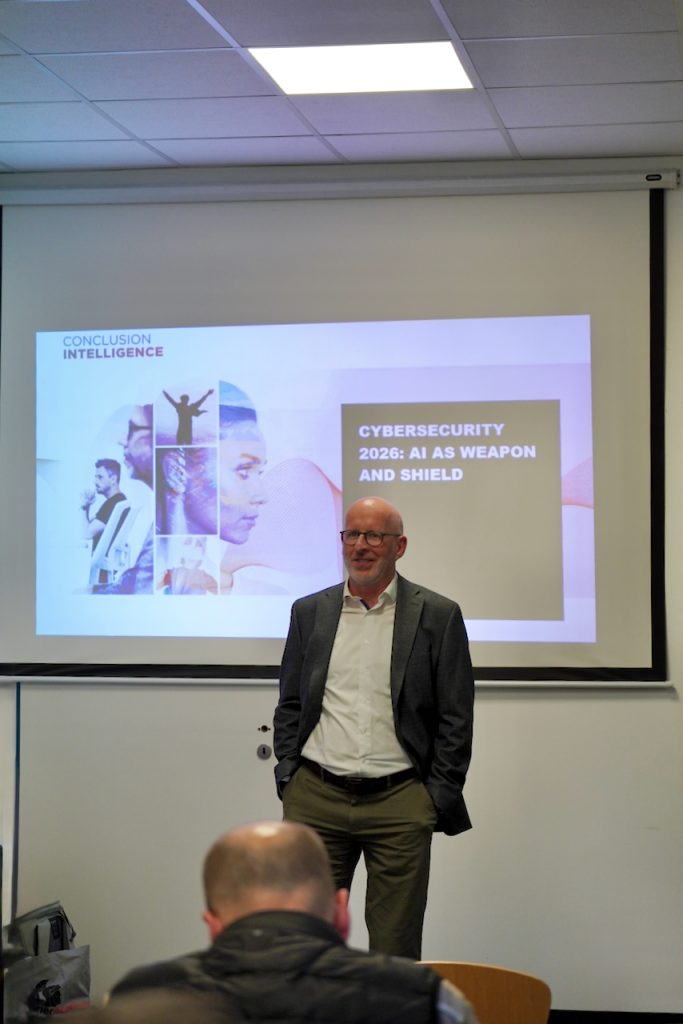
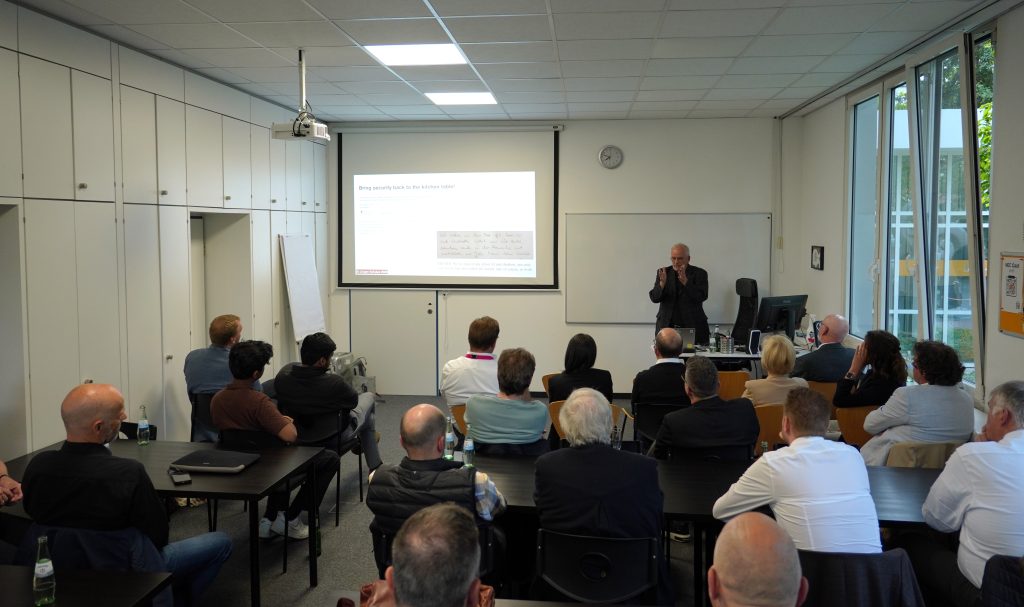
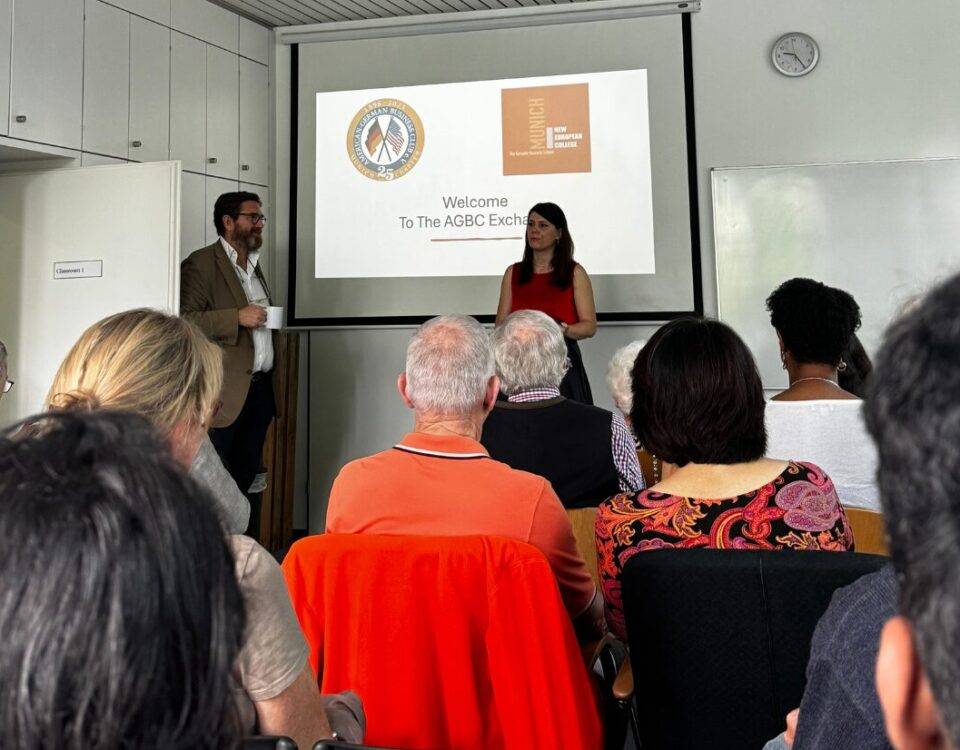
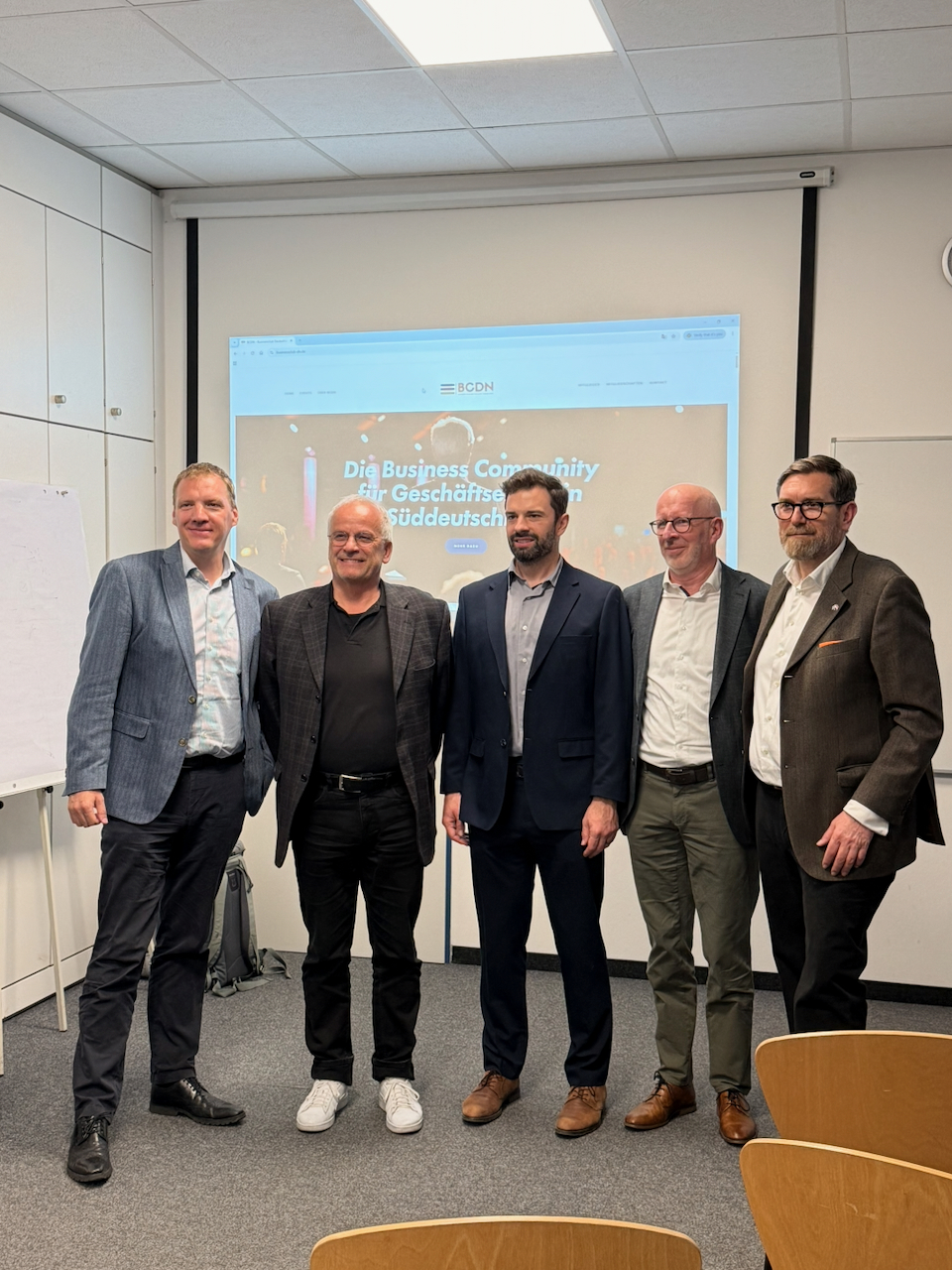
As a Master student studying business in an increasingly digital world, attending the recent BCDN – Businessclub Deutschland-Niederland e.V. event at New European College was both thought provoking and highly relevant.
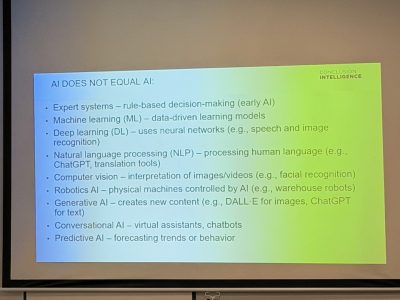
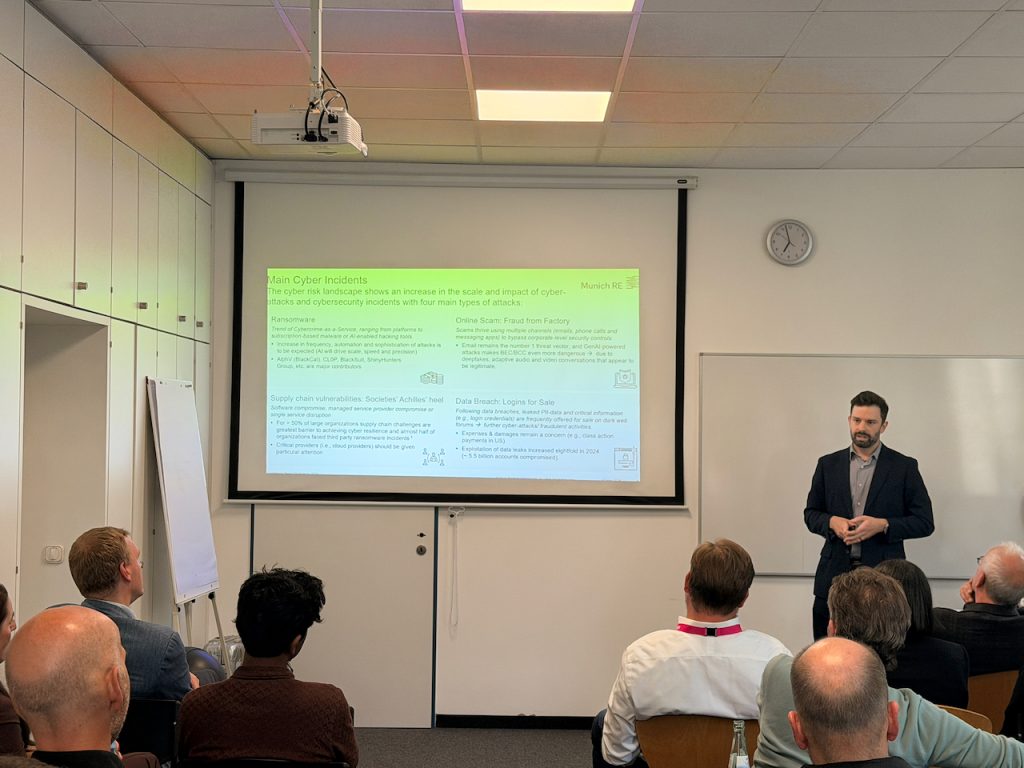
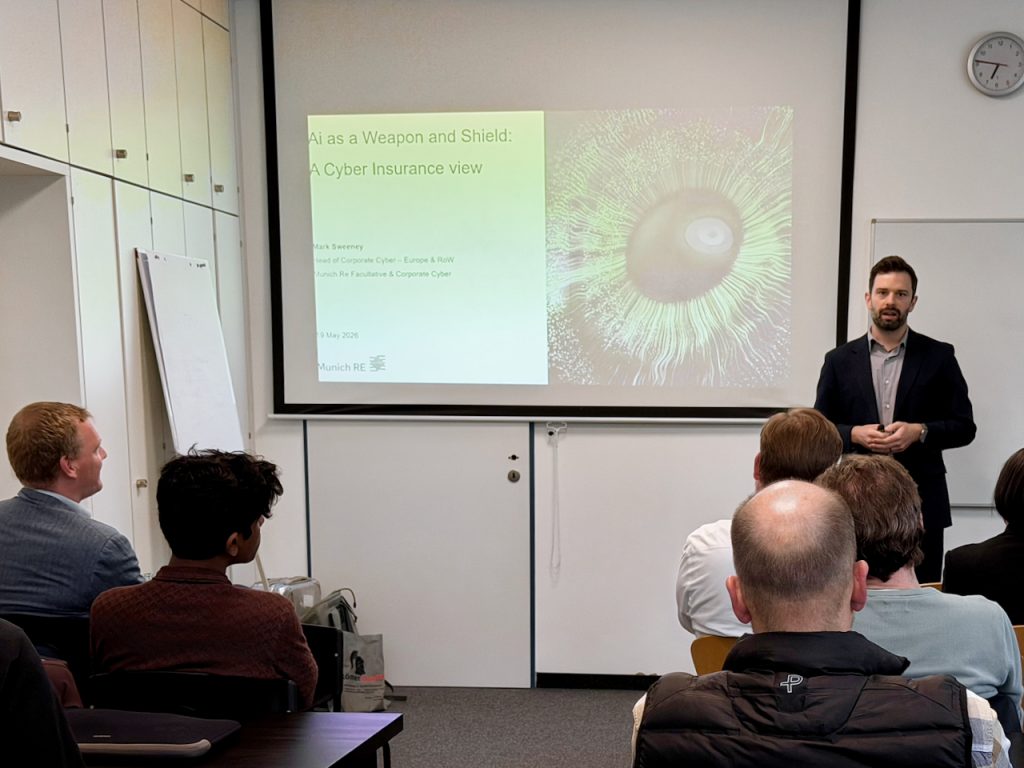
The evening explored the rapidly evolving relationship between Artificial Intelligence and Cybersecurity, and what this means for businesses, individuals, and society as a whole. While AI is helping organizations detect threats earlier and strengthen digital protection systems, the same technology is also enabling cybercriminals to carry out more sophisticated and targeted attacks.
What made the discussion especially engaging was that it went far beyond technical cybersecurity. The speakers focused heavily on the human side of AI and the broader societal questions emerging alongside technological advancement.
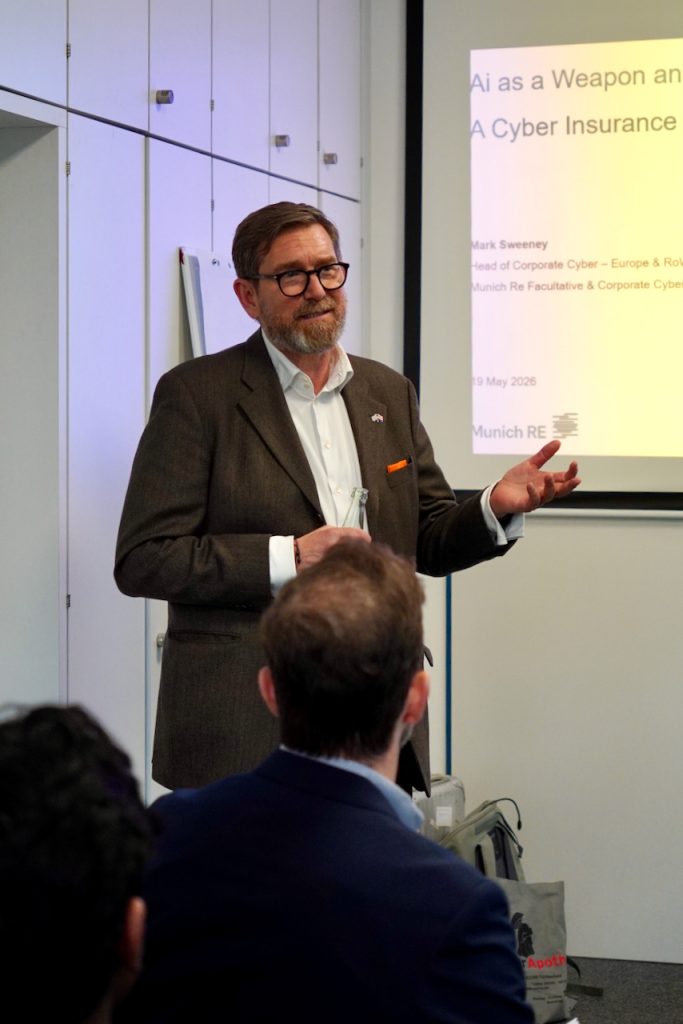
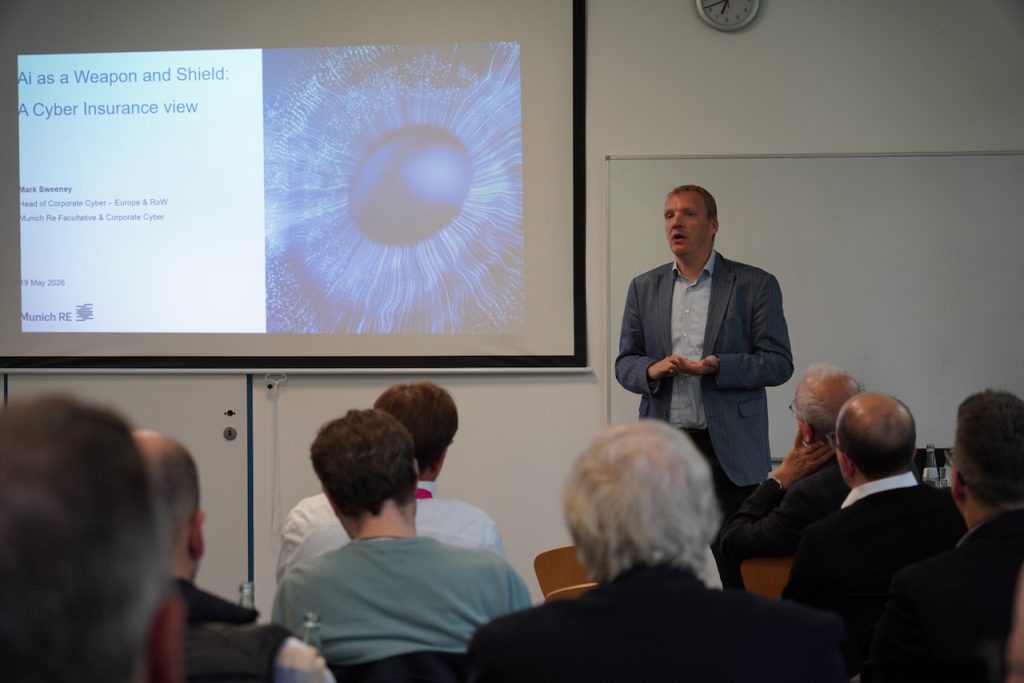
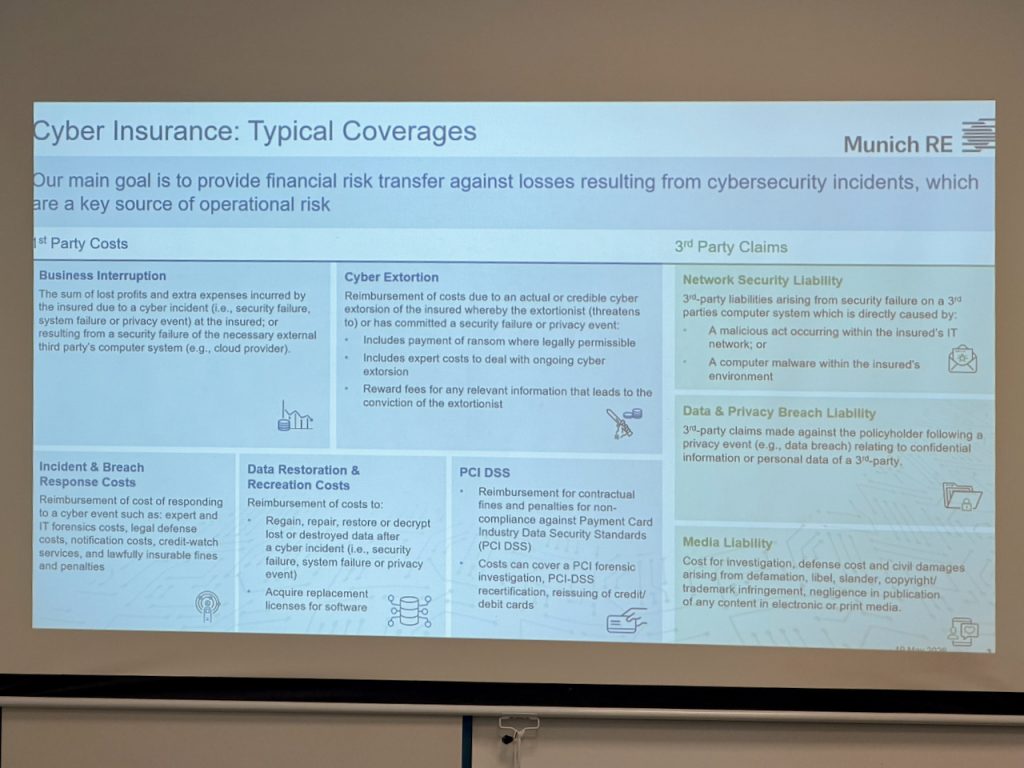
One topic that stood out was cyber insurance and how companies are increasingly viewing cybersecurity not only as a technical necessity, but also as a business risk that must be strategically managed. The discussion highlighted how organizations today must prepare for digital threats in the same way they prepare for financial or operational risks.
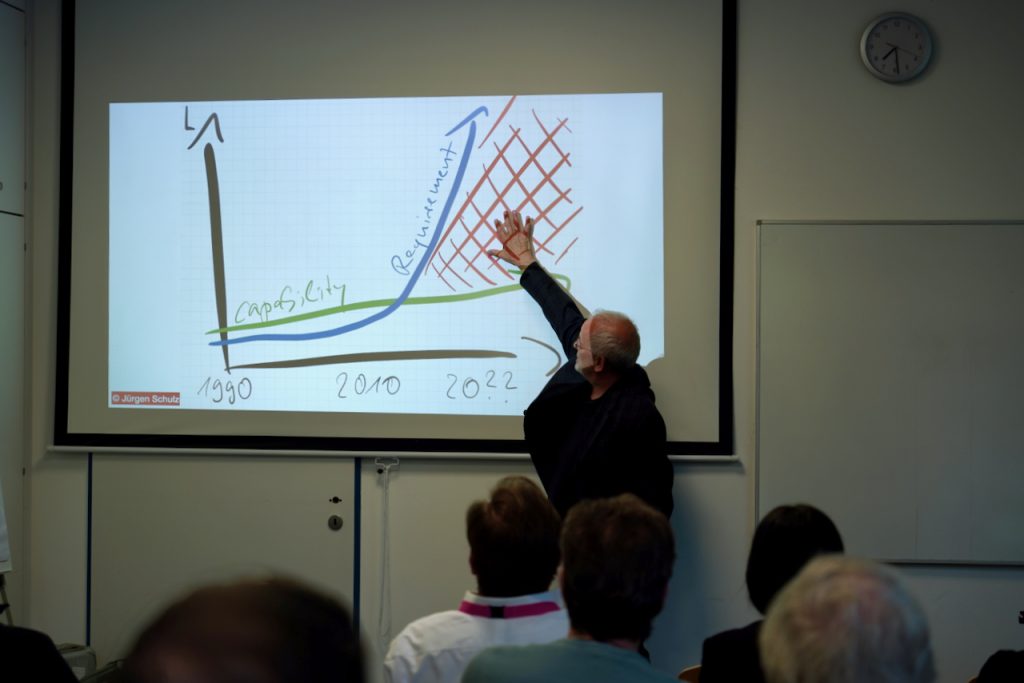
Another interesting point explored was whether cybersecurity itself provides peace of mind in the modern world. As digital systems become more integrated into everyday life, the conversation raised an important question: does stronger cybersecurity make people feel safer, or does the growing awareness of cyber threats create even greater anxiety? This human perspective added a deeper dimension to the discussion and showed how technology impacts not only businesses, but also personal trust and behavior.
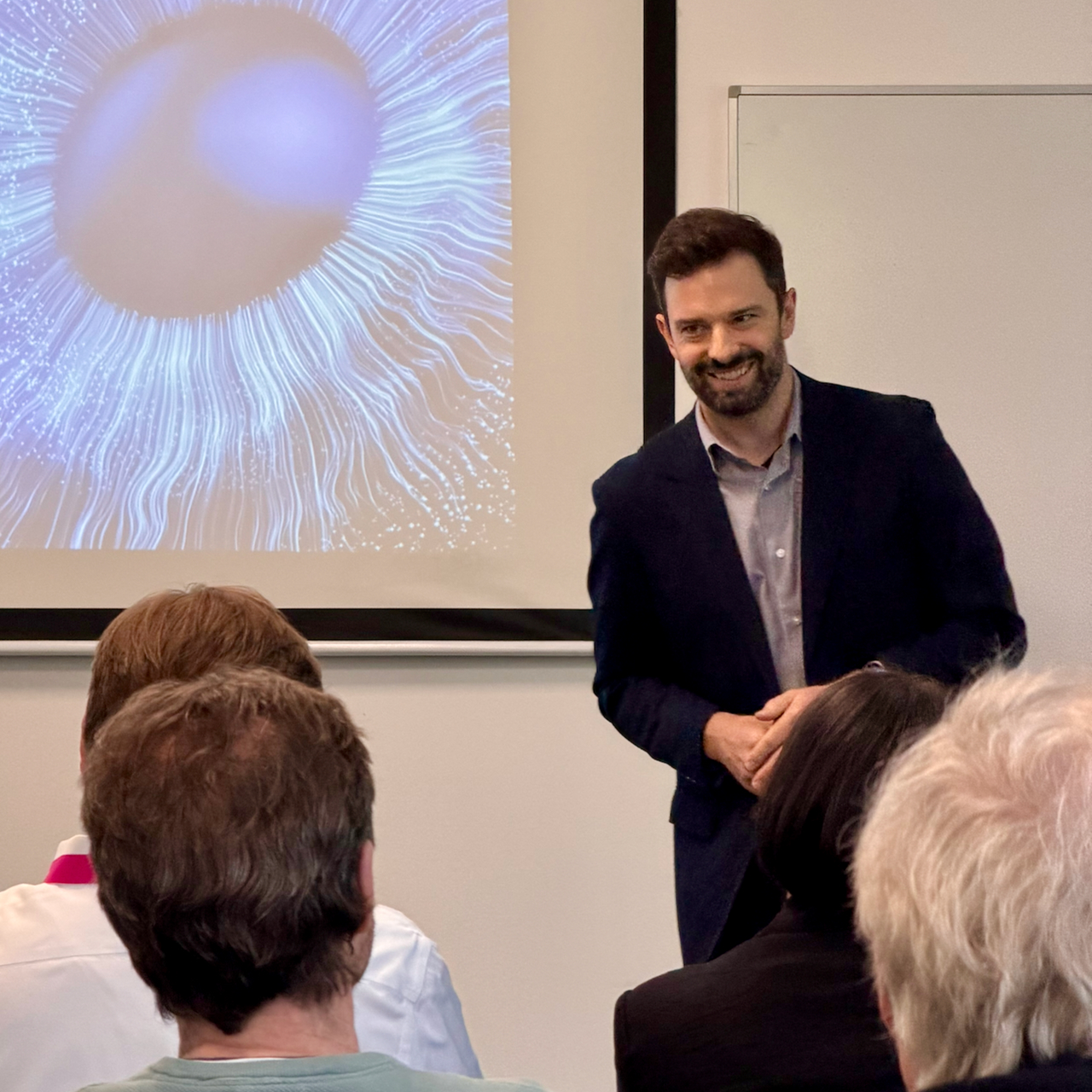
The event also addressed one of the most debated issues surrounding Artificial Intelligence today: bias in AI systems. The speakers explained how AI models can produce gender biased or unfair results because they are trained on datasets that already contain historical and societal biases. What I found particularly insightful was the discussion on how organizations and developers can actively work to reduce this problem through better training data, ethical oversight, and more diverse perspectives in technology development.
As a student, it was fascinating to see how topics like ethics, psychology, business strategy, risk management, and technology are now deeply interconnected. The event made it clear that the future of business leadership will require not only technical understanding, but also critical thinking about the societal consequences of innovation.
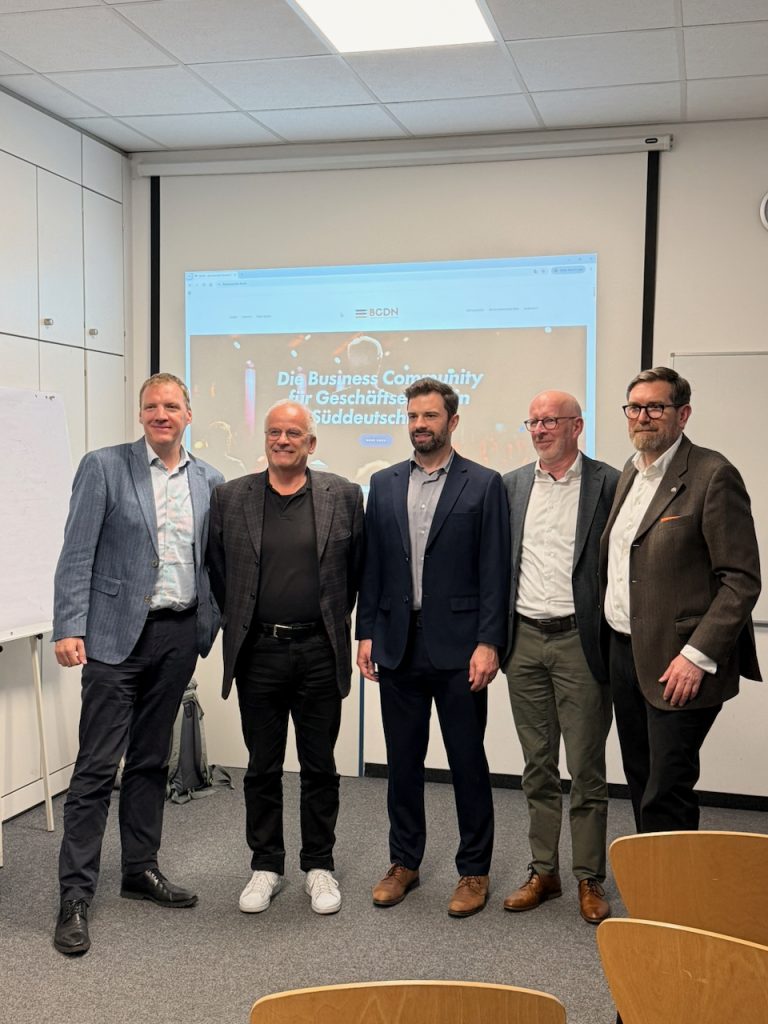
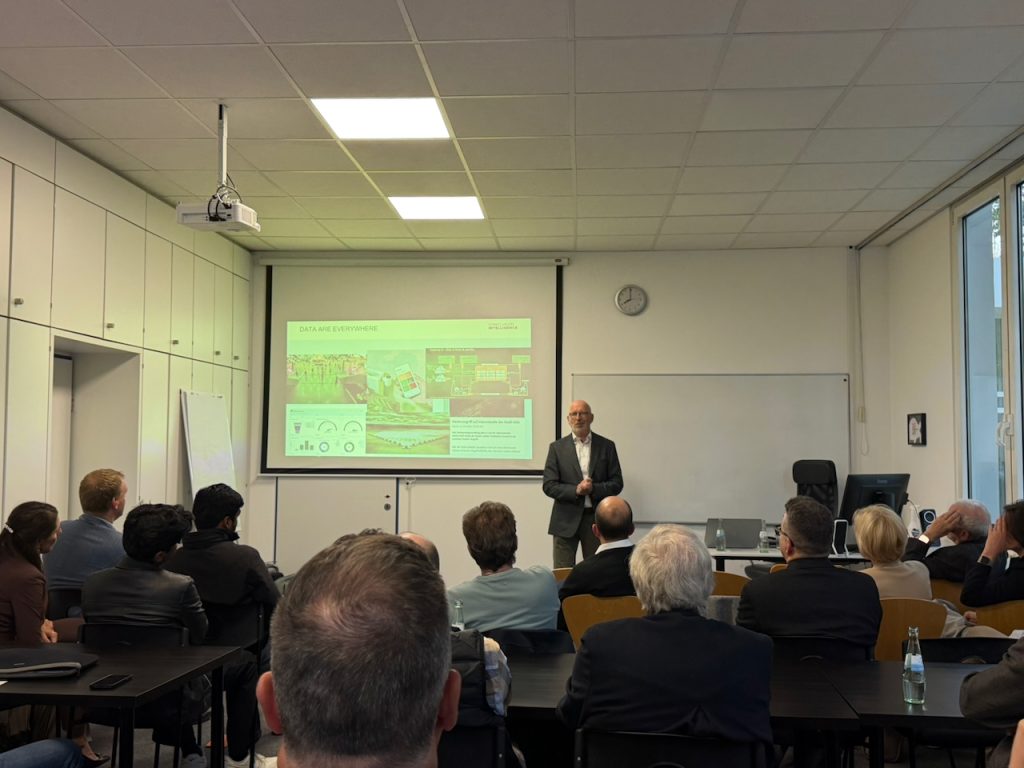
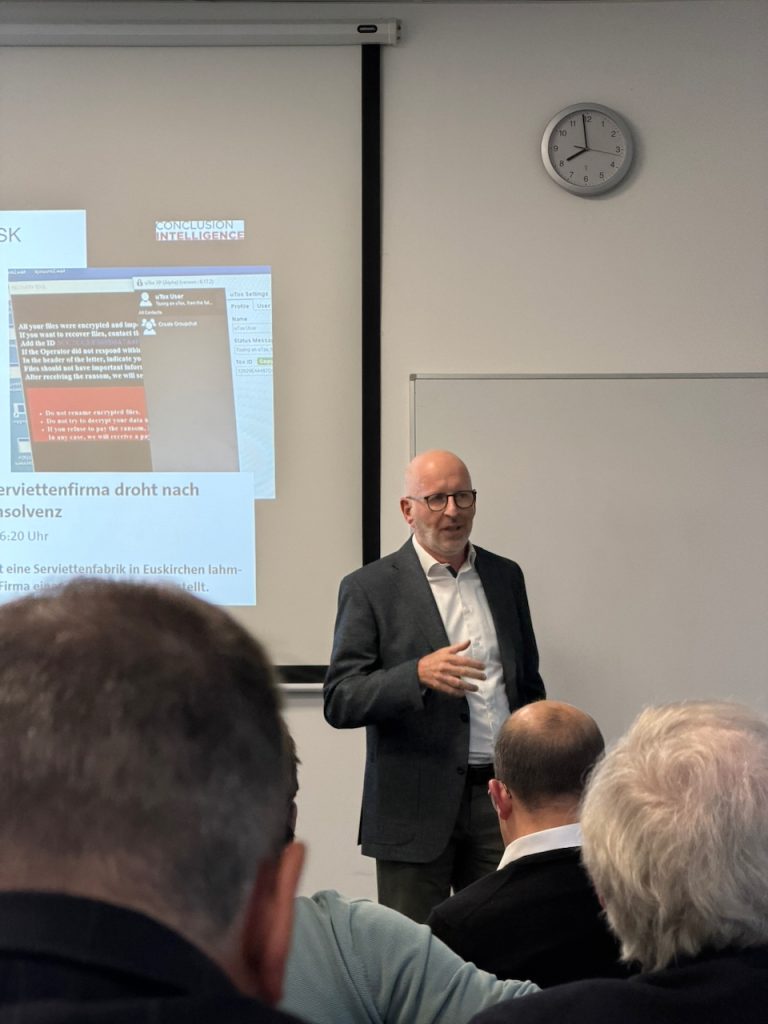
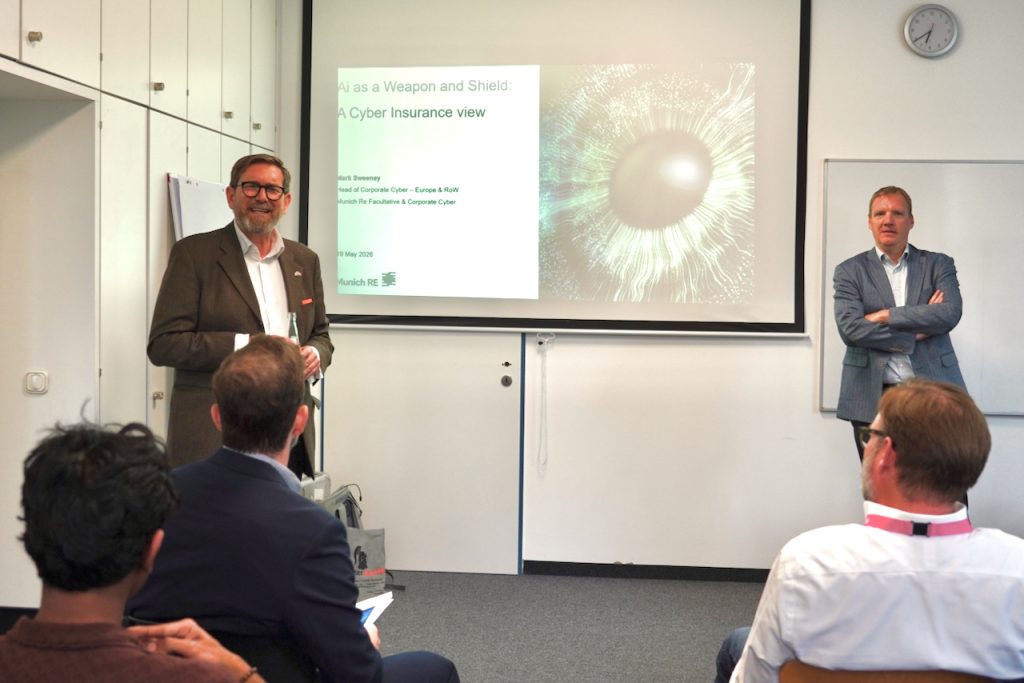
A special thank you to Mark Sweeney, Erik Jan Hengstmengel, and Jürgen Schulze for sharing their expertise and perspectives throughout the evening. Their insights made complex topics accessible, relevant, and highly engaging for students and professionals alike.
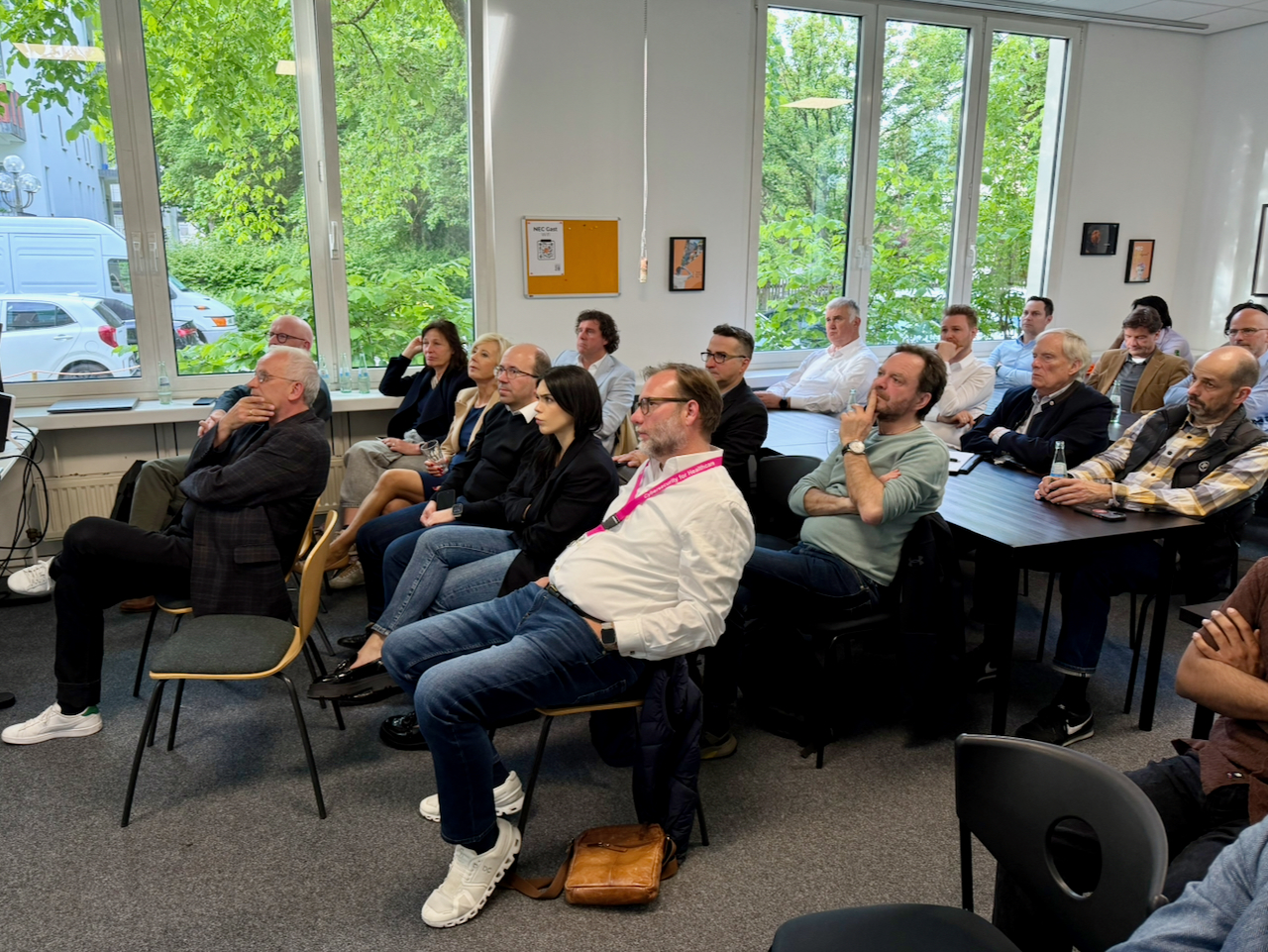
We also extend our gratitude to Dr. Willem Keijzer, President of the BCDN, and Sandra Geiger for organizing such a timely and insightful event at New European College.
Events like these remind us that business education extends far beyond the classroom. They create opportunities to engage with real world challenges, exchange ideas internationally, and better understand the forces shaping the future of business and society.